
Non-hormonal reasons of disturbed sleep patterns
Sleep problems are extremely common during perimenopause and menopause, and hormonal changes can certainly play a part. But even if your symptoms appear during this life stage, they aren’t necessarily caused by changing hormones. It is important not to overlook other possible explanations.
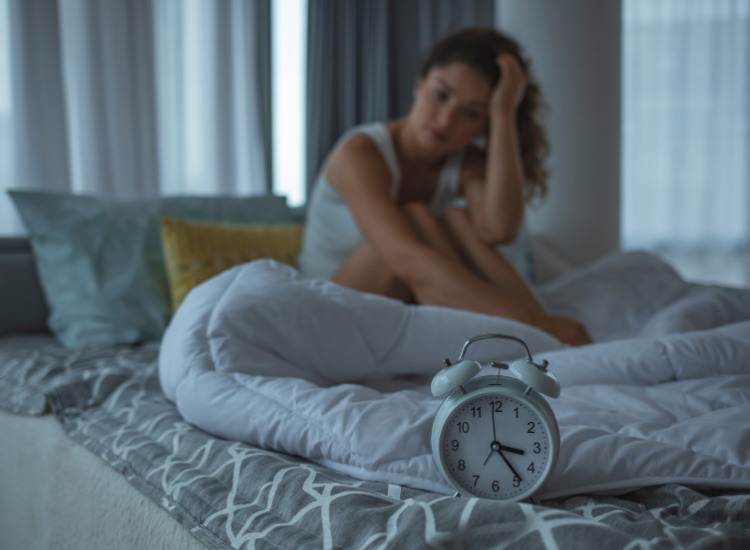
If your sleep has suddenly changed, it is worth looking beyond hormones and considering the bigger picture. Sometimes the reason is surprisingly unrelated to menopause.
Sleep disorders
Some sleep problems are caused by an underlying sleep disorder rather than hormonal changes.
Sleep apnoea is one important example. It happens when the airway repeatedly becomes blocked during sleep, causing brief interruptions to breathing and sleep. Loud snoring, gasping or choking during sleep, morning headaches, waking frequently, excessive daytime tiredness and unrefreshing sleep can all be clues.
Restless legs syndrome (RLS) can make falling asleep particularly difficult. It causes an uncomfortable urge to move the legs, often accompanied by unusual sensations that become worse when resting and are particularly noticeable in the evening. Iron deficiency is one of the factors associated with RLS.
Other possibilities include periodic limb movements during sleep, insomnia disorders, nightmares, sleepwalking and, much less commonly, conditions such as narcolepsy.
ADHD and neurodivergence
ADHD can have a significant effect on sleep. Some people with ADHD find it difficult to switch off at night, struggle with a delayed sleep pattern or naturally become more alert later in the evening. Sleep problems can also occur alongside ADHD, including restless legs and sleep-disordered breathing.
This can create a frustrating cycle: poor sleep affects concentration and emotional regulation, while ADHD-related difficulties can make good sleep harder to achieve.
Autism and some neurological conditions can also be associated with sleep disturbances.
Stress, anxiety and mental health
Stress is one of the most common reasons for disturbed sleep, and midlife can be a particularly demanding period.
Work, relationships, caring responsibilities, financial concerns or simply having too much on your mind can keep the brain in a state of heightened alertness.
Anxiety, depression, PTSD, panic disorder and other mental health conditions can also affect the ability to fall asleep or stay asleep.
Sometimes the problem becomes self-perpetuating: one bad night creates anxiety about the next night’s sleep, which makes it even harder to relax.
Pain and physical discomfort
Pain is another major disruptor of sleep.
Arthritis, back pain, headaches, migraine, fibromyalgia, neuropathy, injuries and other chronic pain conditions can all lead to repeated waking or difficulty getting comfortable.
There is also a two-way relationship between sleep and pain. Poor sleep can increase sensitivity to pain, while pain makes restorative sleep more difficult.
Breathing and respiratory problems
Not all nighttime breathing problems are sleep apnoea.
Asthma, COPD, chronic cough, allergies, sinus problems, nasal congestion and post-nasal drip can all interfere with sleep.
If breathing problems are regularly waking you during the night, it is worth investigating the underlying cause rather than simply assuming that your sleep has become worse because of menopause.
Digestive problems
Your digestive system can have a surprising effect on your sleep.
Acid reflux and GORD can become particularly uncomfortable when you lie down, while IBS, inflammatory bowel disease, bloating, abdominal pain, constipation and diarrhoea can all disturb sleep.
Large or very late meals may also contribute to digestive discomfort or reflux in some people.
Blood glucose and metabolic health
Blood glucose disturbances can sometimes affect sleep.
Diabetes, particularly when poorly controlled, can cause thirst, frequent urination and fluctuations in blood glucose that interfere with sleep. Hypoglycaemia can also cause symptoms such as sweating, hunger, shakiness or a racing heart.
This is one reason why persistent nighttime waking shouldn’t automatically be attributed to menopause.
Getting up to use the toilet
Nocturia (waking during the night to urinate) becomes more common with age, but there are many possible reasons.
Evening fluid intake, alcohol, urinary problems, diabetes, kidney disease, heart failure and some medications can all contribute.
There is another important point: sometimes you don’t wake because you need the toilet. You wake for another reason and then realise that your bladder is full.
Frequent nighttime urination can also occur alongside sleep apnoea.
Medication and stimulants
Your medication cabinet may contain a clue.
Some medicines can interfere with sleep, including certain antidepressants, corticosteroids, stimulants, some asthma medicines, decongestants, beta-blockers and other prescription medicines.
Caffeine, nicotine and alcohol can also affect sleep. Alcohol is particularly deceptive because it may make you feel sleepy initially, but it can lead to more fragmented sleep later in the night.
If you suspect a medication is affecting your sleep, don’t stop taking it without speaking to your GP or pharmacist. The timing or type of medication may sometimes be adjusted instead.
Shift work and an irregular sleep schedule
If your working pattern changes frequently, your body clock may struggle to keep up.
Night shifts, rotating shifts, very early starts, irregular working hours and frequent travel across time zones can all disrupt your circadian rhythm.
Some people naturally have a later or earlier sleep pattern, too. If you consistently struggle to sleep at a particular clock time but sleep well when allowed to follow your natural schedule, your body clock may be part of the explanation.
Your sleep environment
Sometimes the answer is much less complicated.
Noise, light, an uncomfortable mattress, an overly warm bedroom, a snoring partner, pets, children, street lights or even a small LED in the bedroom can repeatedly disturb sleep.
You may not fully wake up each time, but repeated interruptions can reduce sleep quality.
Lifestyle and daily habits
Sleep is influenced by what happens throughout the day, not just what happens when your head hits the pillow.
Long daytime naps, insufficient physical activity, inconsistent bedtimes, sleeping in at weekends, too little daylight exposure, excessive evening screen use and going to bed when you are not actually sleepy can all contribute to sleep difficulties.
Meal timing can also matter. Very large or late meals may interfere with digestion and reflux, while going to bed excessively hungry can be uncomfortable for some people.
Nutrition and nutrient deficiencies
Nutrition isn’t a cure-all for sleep problems, but it can sometimes be part of the picture.
Iron deficiency, for example, is particularly relevant when restless legs are present. Other nutritional factors may be important where a genuine deficiency exists, but it is worth being cautious about assuming that every sleep problem is caused by a lack of a particular nutrient or supplement.
A balanced diet that provides sufficient energy, protein, vitamins and minerals remains the foundation.
Your take-away
It can be tempting to blame every new symptom in your 40s and 50s on changing hormones. And sometimes hormones really are part of the explanation.
But menopause does not happen in isolation.
Your sleep is influenced by your brain, nervous system, circadian rhythm, physical health, medications, nutrition, stress levels, environment and daily routine. All of these factors continue to matter during menopause.
Recognising this, is important because good menopause care isn’t simply about treating hormones. It’s about looking at your whole self.
This comprehensive health assessment can reveal the reason behind the symptoms you are experiencing, and helps you find out what intervention can improve them.